Hindu Religious Textbooks for Grades 3–5 in Sindh 2026-27
Hindu religious textbooks for Grades 3 to 5 in Sindh have been approved for Hindu students in public schools, with three religious books introduced for the academic year 2026-27. The decision came from the Sindh Curriculum Council Executive Committee on 20 April 2026, following the directives of Education Minister Syed Sardar Ali Shah. This article explains what the decision covers, who publishes and distributes the books, and why it matters. You will also learn who publishes and distributes the books, how many students they affect, and what parents and teachers should do now.
What Was Approved
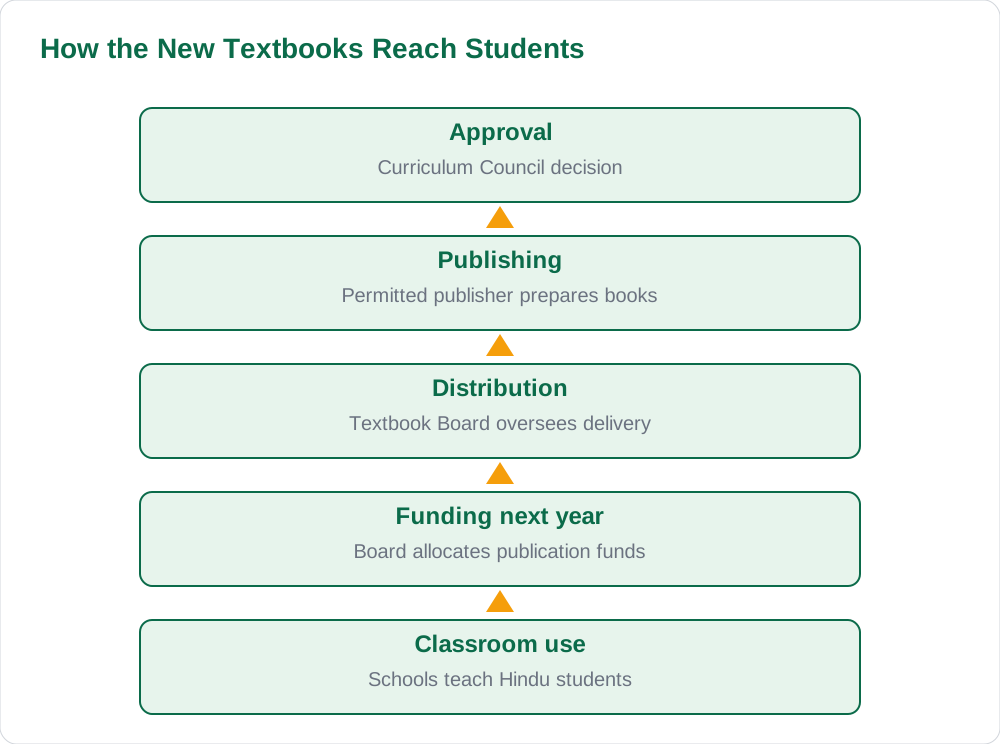
The Sindh Education Department approved Hindu religious textbooks for Hindu students in public schools: three books for Grades 3 to 5, introduced for 2026-27, through a Curriculum Council decision on 20 April 2026.
Be precise about what is not known here. This article does not invent book titles, authors, or lesson content, because those details were not part of the verified snapshot. What is verified is the structure: three books, three grades, one academic year, and a clear approval route through the Curriculum Council.
Who Publishes and Distributes the Books
The Sindh Textbook Board oversees distribution of the new books. Prem Sagar Sanstha Karachi was granted permission to publish the books for the current academic year, and the STBB will allocate funds for publication in the next academic year. A community organisation prepares the books for the first year, while the board funds the following year and manages delivery to schools.
For schools, the practical point is to follow the board's distribution channels rather than seeking books from unofficial sellers. If a school has Hindu students in Grades 3 to 5, its administration should confirm with education authorities how the books will arrive. Our books page explains how STBB textbooks normally reach schools.
How Many Students Are Affected
More than 129,000 Hindu students study in public schools in Sindh. The highest numbers are in Tharparkar, with 26,642 students, and Umerkot, with 21,584 students. These figures show a large and geographically concentrated student population, with many pupils in districts where Hindu communities form a significant part of school enrolment.
The numbers also explain why Grades 3 to 5 were chosen as the starting point. Younger pupils are forming their first clear understanding of religious identity and values, and a well-written textbook can shape attitudes for years. Starting with three grades lets authorities learn from the first year before considering any wider rollout.
From Ethics to Their Own Faith
Previously, minority-religion students were generally taught Ethics instead of their own faith. Ethics teaches general moral values, but not a student's own tradition, festivals, stories, and practices.
The change also carries a wider message about respect. When a public school system provides textbooks for a minority faith, it signals that minority students belong fully and their beliefs deserve serious attention. Students who feel respected are more likely to participate and take pride in school. See our curriculum reform article and our blog.
- Ethics taught general moral values, not a specific faith.
- The new books let Hindu students study their own tradition.
- School support for faith complements what families teach at home.
- Respect for minority beliefs strengthens classroom belonging.
What Parents and Teachers Should Do
Parents of Hindu students in Grades 3 to 5 should ask their school whether the new books have arrived. If not, follow up through the school rather than buying unofficial copies.
Teachers can also prepare by creating a welcoming classroom atmosphere. Encourage all students to listen respectfully when classmates study their own faith, and use the moment to discuss mutual respect across the whole class. Parents can support the change by talking to children about what they learn and reinforcing tolerance and kindness.
- Ask the school whether the new books have arrived.
- Wait for official books instead of buying unofficial copies.
- Teachers should follow the approved material and guidance.
- Use the change to discuss mutual respect across the class.
AI Help: Muse AI
Muse AI is Meta's personal AI assistant, and it can help parents and teachers discuss this change with children by explaining religious tolerance and mutual respect in age-appropriate words and suggesting classroom questions that encourage respectful listening. Muse AI does not give official STBB answers — always verify against your STBB book and your teacher. Always verify your study material against your Sindh Textbook Board book and your teacher before relying on it.
Join Muse with invite code LTGSWD — in the Muse app, go to Settings > Redeem token and enter the code.
Disclosure: LTGSWD is the author's Muse invite code.
5 key points you must know
- Three Hindu religious books approved for Grades 3 to 5 in Sindh for 2026-27.
- Approved by the Sindh Curriculum Council Executive Committee on 20 April 2026.
- The STBB oversees distribution; Prem Sagar Sanstha Karachi publishes this year.
- More than 129,000 Hindu students study in public schools in Sindh.
- Minority-religion students were previously generally taught Ethics.
Frequently asked questions
Which grades do the new Hindu religious textbooks cover?
The three religious books cover Grades 3 to 5 for Hindu students in public schools, introduced for the academic year 2026-27.
Who approved the Hindu religious textbooks?
The Sindh Education Department approved them through a decision of the Sindh Curriculum Council Executive Committee on 20 April 2026, following the directives of Education Minister Syed Sardar Ali Shah.
Who publishes and distributes the books?
The Sindh Textbook Board oversees distribution. Prem Sagar Sanstha Karachi was granted permission to publish the books for the current academic year, and the STBB will allocate funds for publication in the next academic year.
How many Hindu students study in Sindh public schools?
More than 129,000 Hindu students study in public schools in Sindh, with the highest numbers in Tharparkar (26,642) and Umerkot (21,584).
Solved notes — preview free
These guides work best with the solved exercises. Preview the solved notes free on this website — 119 solved notes for Classes 6–10 in Sindhi, Urdu, English and Arabic medium. Or browse the full solved notes catalogue for your class and medium. New solved notes are added regularly — check the catalogue for coming-soon books.